Home addition vs moving: a guide from Northvale Home Renovations for Alpharetta homeowners, with sourced figures, plain-language steps and a free in-home estimate when you are ready.

Alpharetta & North Fulton
Home Addition vs. Moving: How Alpharetta Families Decide
When a house runs out of space, the choice is usually to add on or move. Here is a clear way to compare the two with real cost data and the questions that matter most.
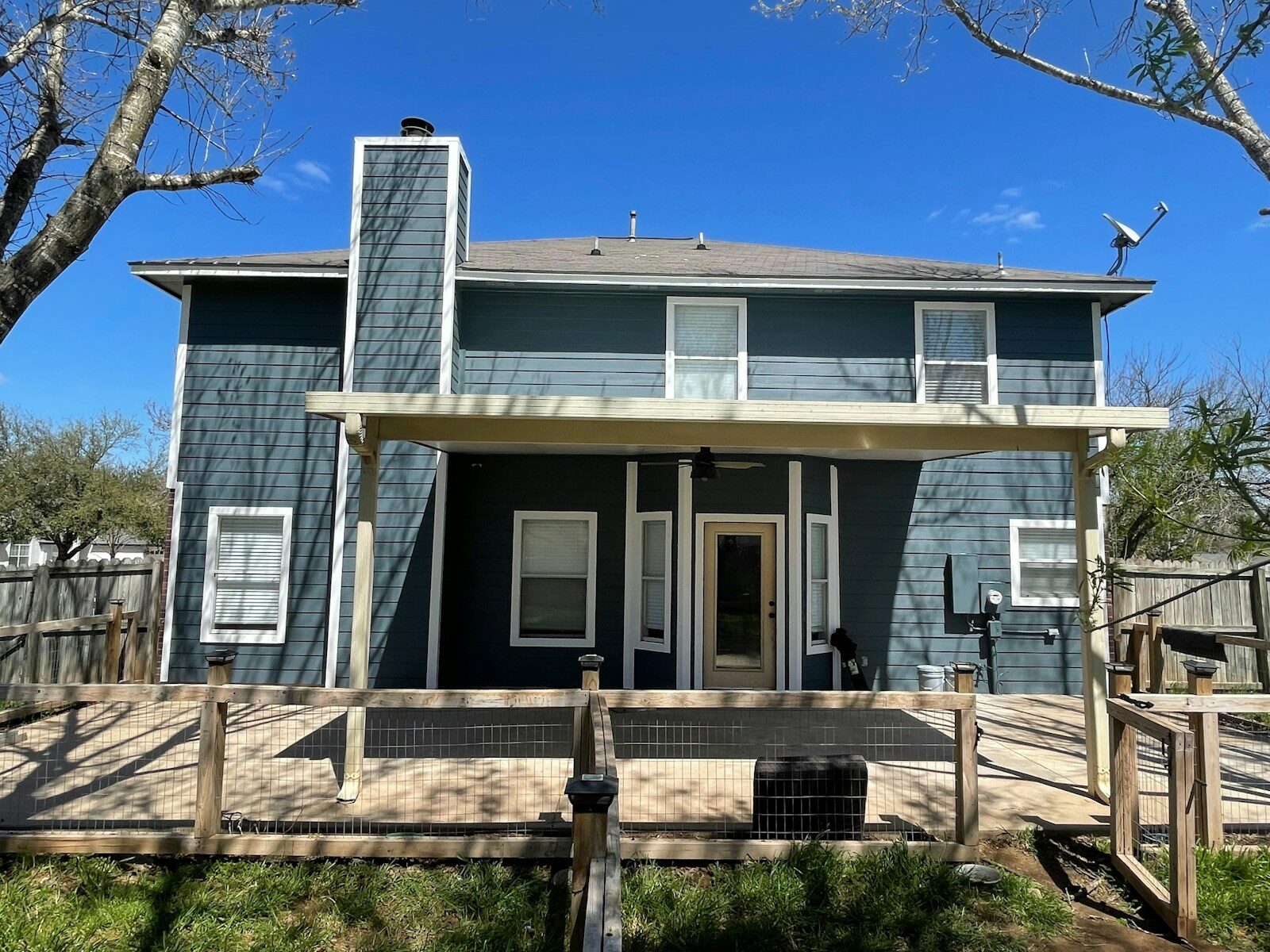
Example design inspiration, not a completed Northvale project.
How every Northvale project works
- 01Discovery & Consultation
- 02Design & Scope Development
- 03Construction
- 04Punch-List & Walkthrough
Every estimate is free, written and itemized, with labor, materials, allowances, permits and schedule listed separately and license and insurance documentation included.
What an addition costs, by the numbers
Additions are among the most expensive remodeling projects. In the Atlanta market, Remodeling magazine's Cost vs Value 2025 report lists a midrange primary suite addition at about $162,109 and an upscale primary suite addition at about $330,626. A midrange bathroom addition was about $58,363.
| Project | Job cost | Cost recouped at resale |
|---|---|---|
| Bathroom addition, midrange | $58,363 | 54.9% |
| Primary suite addition, midrange | $162,109 | 36.6% |
| Accessory dwelling unit | $158,023 | 46.3% |
| Primary suite addition, upscale | $330,626 | 20.4% |
Source: Remodeling magazine Cost vs Value 2025, Atlanta, GA (jlconline.com). Regional averages, not a Northvale quote.
These projects recover a smaller share of cost at resale than smaller updates. That is why the decision should be about how long you plan to stay and what you gain by staying.
The cost of moving
Moving has its own costs: agent commissions, closing costs, moving expenses, and often a higher interest rate on a new mortgage. In Alpharetta, where the U.S. Census Bureau reports a median owner-occupied home value of about $649,000 for 2020 to 2024, transaction costs alone can be substantial. Moving also means giving up a neighborhood, school zone or commute you may like.
| Measure | Value |
|---|---|
| Population (July 2025 estimate) | 66,921 |
| Owner-occupied housing rate (2020-2024) | 65.1% |
| Median value of owner-occupied homes (2020-2024) | $649,000 |
| Persons per household (2020-2024) | 2.66 |
Source: U.S. Census Bureau QuickFacts, Alpharetta city, Georgia.
Wondering if an addition is feasible on your lot? Ask for a free consultation.
Questions to answer first
- How long do you plan to stay? Additions make the most sense for long stays.
- Does your lot allow it? Setbacks, lot coverage and easements limit what can be built.
- Will your HOA approve it? Many Alpharetta and Milton neighborhoods require architectural review.
- Can your systems support it? HVAC, electrical and septic or sewer may need upgrades.
- Would a remodel solve the problem instead? Finishing a basement or reworking existing space is often cheaper.
Alternatives to a full addition
- Finish the basement for a guest suite or family room.
- Convert a rarely used formal living or dining room.
- Bump out a kitchen or family room a few feet.
- Add a covered porch or screened room for seasonal space.
How an addition project runs
Feasibility review, design and engineering, HOA approval where required, city permits, then construction: foundation, framing, roof tie-in, mechanicals, inspections and finishes. Design and approvals often take longer than homeowners expect, so start early.
Five-question test
| Question | Leans toward addition | Leans toward moving |
|---|---|---|
| Plan to stay 7+ years? | Yes | No |
| Love the neighborhood and schools? | Yes | No |
| Lot and HOA allow expansion? | Yes | No |
| Need more than one extra room? | Maybe | Often |
| Comfortable with months of construction? | Yes | No |
Northvale planning guide.
Getting the design right
The best additions look like they were always part of the house. Matching roof pitch, brick or siding, window style, trim and interior floor levels is what separates a seamless addition from one that looks added on. Plan the connection between old and new space so traffic flows naturally.
Financing considerations
Many homeowners finance additions with a home equity loan, home equity line of credit or renovation loan. Talk to your lender early, because draw schedules and appraisals can affect your construction timeline. We can structure the payment schedule around your lender's requirements.
Common surprises
- Utility lines or easements in the planned footprint.
- HVAC capacity that cannot support the new space.
- Septic system limits on adding bedrooms.
- Tree removal and grading costs.
Key takeaways
- Additions are costly: a midrange primary suite addition was $162,109 in Atlanta Cost vs Value 2025.
- They recover a smaller share at resale, so they make most sense for long stays.
- Moving carries commissions, closing costs and possibly a higher mortgage rate.
- Finishing a basement or converting unused rooms can be a cheaper alternative.
- Lot limits, HOA rules and system capacity decide what is feasible.
Frequently asked questions
How long does an addition take? Design and approvals can take several months, and construction often runs several more depending on size.
Can I live at home during an addition? Usually yes, since most work happens outside the existing house until the tie-in phase.
Will an addition match my house? With careful attention to roofline, exterior materials and interior floor levels, it can look original.
Local notes for Alpharetta homeowners
Alpharetta's housing is mostly from the 1980s through the 2000s, and many lots in established neighborhoods have room for a modest bump-out or a primary suite on the main floor. Main-floor primary suites are a frequent request from homeowners planning to stay long term, because they reduce daily stair use. Before designing, confirm setbacks with the city and review your HOA's architectural guidelines, since rules on rooflines, materials and visible changes vary by neighborhood.
If your goal is one extra bedroom or a home office, compare an addition with converting a formal room or finishing the basement. These options often deliver the space you need at a fraction of the cost and time of new construction.
The real cost of moving, in numbers
Comparing an addition with moving is only fair if both sides carry their full price. The cost of an addition is easy to picture, because it comes in a contractor’s estimate. The cost of moving is spread across many smaller bills that sellers often forget. A nationwide survey of recent sellers published in 2026 by Clever Real Estate puts the average total at $81,918. Here is how that breaks down.
| Selling cost (survey average) | Amount |
|---|---|
| Pre- and post-listing repairs and improvements | $27,649 |
| Agent commissions (an average 5.46% of the sale price) | $27,448 |
| Seller closing costs | $11,147 |
| Concessions to the buyer | $9,914 |
| Moving costs | $3,013 |
| Marketing and staging | $2,747 |
| Total average cost of selling | $81,918 |
Other published guides give the same picture as a percentage. Opendoor lists agent commissions of 5% to 6% and seller closing costs of 1% to 3%, with repairs and preparation adding 1% to 3% more, and Homes.com says most sellers spend between 6% and 10% of the sale price in total.
A worked example at Alpharetta values
The U.S. Census Bureau puts the median value of owner-occupied homes in Alpharetta at $649,000, as shown on our service areas page. As an illustration, selling a home at that value and spending 6% to 10% on transaction costs would cost $38,940 to $64,900 before buying anything else. That money is spent whether you move across town or across the country, and none of it improves the home you will live in.
Now set that beside the Atlanta figures for additions in the Journal of Light Construction’s 2025 Cost vs. Value report, shown on our projects page.
| Atlanta project (2025) | Job cost | Resale value | Cost recouped |
|---|---|---|---|
| Bathroom addition, midrange | $58,363 | $32,028 | 54.9% |
| Primary suite addition, midrange | $162,109 | $59,369 | 36.6% |
| Primary suite addition, upscale | $330,626 | $67,556 | 20.4% |
An addition costs real money and returns only part of it at resale, but a move also costs real money and returns none of it to your next house. The right comparison is not addition cost against zero. It is the net cost of the addition, which is the job cost minus the resale value ($26,335 for the midrange bathroom addition and $102,740 for the midrange primary suite), against the full cost of selling and buying again, plus the difference in what the two homes cost to own.
What each choice tends to suit
| An addition tends to fit when | Moving tends to fit when |
|---|---|
| You love the location, schools and neighbors | The neighborhood or commute no longer works |
| The lot can accommodate more house under local rules | The lot or zoning cannot accommodate what you need |
| Your current mortgage terms are favorable | You want a different kind of home entirely |
| You want a result built around how you live | You prefer to buy something already finished |
| You can handle months of construction at home | You cannot or would rather not live through a build |
Neither column is a rule. They are prompts for the conversation, and the five-question test earlier in this guide turns them into a decision.
What the numbers cannot tell you
- Interest rates: a new mortgage may cost more or less per month than your current one.
- Your neighborhood: resale values vary by street, not just by city.
- Timing: selling and buying in the same market can help or hurt, depending on conditions.
- Everything non-financial: schools, friends, commute and attachment to the house are real factors.
Quick answers on addition versus moving
Which usually costs more?
It depends on the size of the addition and the price of the home. Selling costs scale with the sale price, while an addition scales with its size. Compare the net cost of the addition with the full cost of moving, not the sticker price of each.
Do I have to pay agent commissions on every sale?
Commissions are typically paid by the seller out of the sale price, and surveys put the average at about 5.46%. Rates are negotiable, so ask for a written estimate of your own net proceeds.
How do I start comparing?
Get a written, itemized estimate for the addition and a net sheet from a real estate professional for the sale. Put them side by side with the same time horizon.
Every Northvale estimate is free and itemized, with labor, materials, permits and schedule listed separately so you can compare bids line by line. Call (470) 847-9076 to book a free in-home estimate.
Sources and notes
Seller cost figures are from a survey of 1,000 Americans who sold a home since 2024 and are national averages, not Alpharetta figures. The worked example is simple multiplication and subtraction of published numbers and is an illustration, not an appraisal or a quote.
Sources: Clever Real Estate, True Cost of Selling a Home 2026; Opendoor, cost to sell a house; Homes.com, cost to sell a home; JLC, 2025 Cost vs. Value Report, Atlanta.
Related guides
Compare options with a free in-home visit. Call (470) 847-9076.
Serving Alpharetta, Milton, Roswell, Johns Creek, Peachtree Corners, Sandy Springs, Georgia.
Key takeaways on home addition vs moving
If you are researching home addition vs moving, start with the figures and sources on this page, then compare them with a written, line-item estimate for your own home.
Every question we hear about home addition vs moving comes back to scope, materials and schedule, which is why our free in-home estimate lists labor, materials, allowances and permits separately.
Prices, timelines and permit rules change, so treat anything you read about home addition vs moving as a starting point and confirm the details with the permit office that governs your address.
For help with home addition vs moving, call (470) 847-9076 or use the contact page to book a free in-home estimate with licensed, insured Northvale crews.
Bookmark this page on home addition vs moving and check the linked sources before you make a decision.
Our other guides link back to home addition vs moving, so you can move between topics without repeating your research.