Alpharetta remodeling permits: a guide from Northvale Home Renovations for Alpharetta homeowners, with sourced figures, plain-language steps and a free in-home estimate when you are ready.

Alpharetta & North Fulton
Remodeling Permits in Alpharetta: What Homeowners Need to Know
Permits protect your safety, your insurance and your resale value. Here is how they generally work for remodels in Alpharetta and nearby North Fulton cities, and what to ask your contractor.
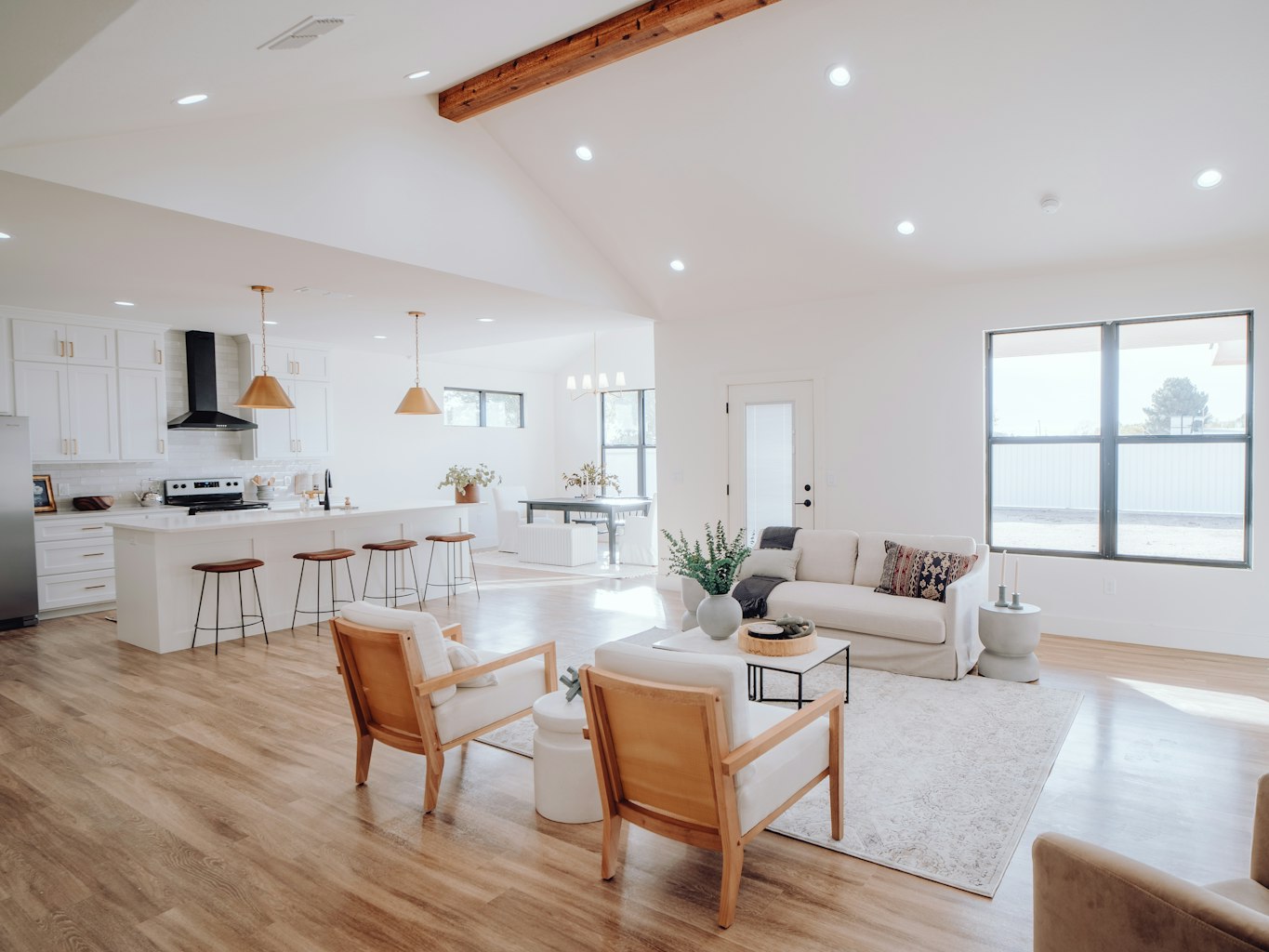
Example design inspiration, not a completed Northvale project.
How every Northvale project works
- 01Discovery & Consultation
- 02Design & Scope Development
- 03Construction
- 04Punch-List & Walkthrough
Every estimate is free, written and itemized, with labor, materials, allowances, permits and schedule listed separately and license and insurance documentation included.
Who issues permits
Building permits for homes inside Alpharetta city limits are handled by the City of Alpharetta. Nearby cities such as Milton, Roswell and Johns Creek each have their own building departments. Your address determines which office reviews your project, so confirm your jurisdiction before you plan.
Why permits come up so often in Alpharetta
About 76 percent of Alpharetta homes were built between 1980 and 2009, according to U.S. Census Bureau survey data. Homes of that age often need electrical, plumbing and structural updates during a remodel, which is exactly the work that triggers permits.
| Decade built | Share of homes |
|---|---|
| 1980-1989 | 22.0% |
| 1990-1999 | 34.6% |
| 2000-2009 | 19.6% |
| 2010 or later | 16.1% |
| Before 1980 | 7.8% |
Source: U.S. Census Bureau, American Community Survey 2019-2023 5-year estimates (via Point2Homes).
Which remodeling projects usually need a permit
| Project | Permit usually needed? | Why |
|---|---|---|
| Painting, flooring, cabinets in the same layout | Usually no | Cosmetic work |
| Moving plumbing or adding fixtures | Usually yes | Plumbing work |
| New circuits or panel work | Usually yes | Electrical work |
| Removing or altering walls | Often yes | Possible structural review |
| Finishing a basement | Yes | New living space and egress |
| Additions | Yes | New square footage and zoning |
| New decks or rebuilds | Usually yes | Structure and guardrails |
General Georgia residential permitting practice. Confirm specifics with your city.
Not sure what your project needs? Ask during your free estimate.
How the process generally works
- Scope and drawings are prepared for work that needs review.
- The application is submitted, usually by the licensed contractor.
- The city reviews plans and may ask for changes.
- The permit is issued and posted at the job site.
- Rough inspections happen before walls or floors are closed.
- A final inspection closes the permit.
HOA approval is separate
Many neighborhoods in Alpharetta and Milton have homeowners associations with architectural review. HOA approval and city permits are separate; you may need both. Decks, additions, exterior colors, roofing materials and fences are common HOA review items. Submit early, since some committees meet only monthly.
Why skipping permits is risky
- Unpermitted work can surface during a home sale or inspection.
- Insurance claims tied to unpermitted work may be questioned.
- You may have to open finished walls so inspectors can see the work.
- Safety problems like undersized wiring or missing fire-blocking can go unnoticed.
Who should pull the permit
In most cases the licensed contractor doing the work should apply for and hold the permit. Be cautious if a contractor asks you to pull a homeowner permit for work they are performing, because that can shift responsibility to you.
Questions to ask your contractor
- Who will pull the permit?
- Are permit fees included in the estimate?
- Who prepares any drawings or engineering?
- Who schedules and attends inspections?
- What happens if an inspection fails?
Timelines
Review times depend on project complexity and the city's workload. Simple trade permits can move quickly, while additions with full plan review take longer. Build buffer time into your schedule and confirm current timelines with the building department.
This article is general information, not legal advice. Always confirm current requirements with your city building department.
Typical inspection points
| Inspection | What is checked |
|---|---|
| Footing or foundation | Depth, size and reinforcement for additions and decks |
| Framing | Structure, headers, beams, fire-blocking |
| Rough plumbing | Drains, vents, supply lines before walls close |
| Rough electrical | Circuits, boxes, wiring methods |
| Rough mechanical | Ductwork and equipment |
| Insulation | Coverage and type where required |
| Final | Completed work, safety devices, permit closeout |
General residential inspection sequence. Your city sets the exact list.
Project-by-project notes
Kitchens: moving the sink or range, adding circuits, or removing a wall usually triggers permits. Bathrooms: relocating fixtures or adding circuits usually does. Basements: finishing creates new living space, so expect permits and egress requirements for bedrooms. Decks: footings, ledger attachment and guardrails are inspected. Additions: zoning setbacks and full plan review apply.
Planning tips
- Confirm your city jurisdiction from your address before planning.
- Check HOA rules at the same time as permits.
- Finalize the layout before submitting to avoid revisions.
- Order long-lead materials during plan review, not after.
- Keep the permit card posted and the site accessible on inspection days.
What to keep after the project
Keep copies of the permit, inspection records and final approval. They are useful when you sell the home, refinance or file an insurance claim, and they show that the work was inspected.
Key takeaways
- Your address determines which city reviews your permit: Alpharetta, Milton, Roswell or Johns Creek each run their own office.
- Cosmetic work usually needs no permit; plumbing, electrical, structural, basement and deck work usually does.
- HOA approval is separate from a city permit.
- The licensed contractor doing the work should pull the permit.
- Keep permit and inspection records for resale and insurance.
Frequently asked questions
Can I start work while the permit is in review? Generally no for permitted work. Starting early can lead to stop-work orders and having to open finished work.
Do permits raise my property taxes? Property assessments are handled separately by the county; added square footage can affect assessed value. Ask the county tax assessor for specifics.
What if previous owners did unpermitted work? Talk to your contractor and the city about options. Sometimes work can be inspected and permitted after the fact.
Related planning steps
Permits are one part of pre-construction planning. Selections, HOA submissions, material ordering and scheduling all happen in parallel. A contractor who manages these steps together keeps your project from stalling between approval and the start of work.
What Alpharetta publishes about plan review timing
Before you set a start date, it helps to know how long the city takes to review plans. Summaries of the City of Alpharetta Building Department’s published guidance say applicants should allow ten business days to receive plan review comments on a residential or commercial building permit. Those summaries add that plans containing all the required information normally receive written comments within that window, and that when something is missing the applicant is notified within the same ten working days, with review paused until the missing items are resubmitted.
| Stage | What the published guidance says |
|---|---|
| First submittal, complete plans | Written comments normally within ten business days |
| First submittal, information missing | Notice within ten business days; review stops until the information is resubmitted |
| Resubmittals after comments | No specific review timeframe was found in the sources we checked |
| Permit fees | Set by the city and vary by project type and valuation, so confirm on the city’s fee schedule |
Source: summaries of City of Alpharetta Building Department guidance (Permit Place, last verified June 2025). Rules change, so confirm with the city.
Turning ten business days into a real schedule
Ten business days is two calendar weeks when no holidays fall inside it, so a complete submittal made on a Monday would typically hear back around the Monday two weeks later. That is only the first round. If the reviewer asks for changes, the revised plans go back through the permitting portal, and the length of that second round is not published. A practical plan keeps the permit step separate from the construction start date: treat review as a block of at least two weeks, add a cushion for one round of corrections, and avoid ordering custom cabinets or scheduling demolition against a permit that has not been issued.
The best way to get a short first round is to submit a complete one. Drawings that match the written scope, trade work listed clearly (electrical, plumbing, heating and cooling), and correct contact details are what keep a reviewer from having to stop and ask.
The permits a typical interior remodel stacks up
Published summaries of Alpharetta’s process describe interior remodels and basement finishes as needing a main building permit plus separate trade permits for any electrical, plumbing and mechanical work involved. The same summaries say simple cosmetic changes, such as paint and flooring that do not alter the structure, typically do not need a permit.
- Building permit: the main permit for the remodel or basement finish itself.
- Electrical permit: new circuits, panel work or rewiring.
- Plumbing permit: moving or adding fixtures, supply lines or drains.
- Mechanical permit: heating and cooling changes, such as new ductwork or a new air handler.
- Usually none: paint, flooring and similar cosmetic work.
These are general categories, not a ruling on your house. A project that changes the footprint or an exterior wall can bring zoning and other requirements, so the city’s Community Development Department is the place to confirm what your plans trigger.
Where to confirm and apply
In Alpharetta, permits are handled by the Community Development Department’s Construction and Inspections division at 2 Park Plaza, and applications run through the city’s online permitting portal. Start at the City of Alpharetta website and confirm the requirements for your address before you sign a contract.
How current this page is
The timing and permit categories above come from third-party summaries of the city’s published guidance, checked in November 2026. City rules and fees change, so treat this page as a planning aid and the city as the final word. Every Northvale estimate is free and itemized, with permits and schedule listed separately so you can see them before you commit. Call (470) 847-9076 to book a free in-home estimate.
Sources: Permit Place, Alpharetta building permits and Jaspector, City of Alpharetta permit guide.
Related guides
Get an estimate that lists permits and inspections up front. Call (470) 847-9076.
Serving Alpharetta, Milton, Roswell, Johns Creek, Peachtree Corners, Sandy Springs, Georgia.
Key takeaways on Alpharetta remodeling permits
If you are researching Alpharetta remodeling permits, start with the figures and sources on this page, then compare them with a written, line-item estimate for your own home.
Every question we hear about Alpharetta remodeling permits comes back to scope, materials and schedule, which is why our free in-home estimate lists labor, materials, allowances and permits separately.
Prices, timelines and permit rules change, so treat anything you read about Alpharetta remodeling permits as a starting point and confirm the details with the permit office that governs your address.
For help with Alpharetta remodeling permits, call (470) 847-9076 or use the contact page to book a free in-home estimate with licensed, insured Northvale crews.
Bookmark this page on Alpharetta remodeling permits and check the linked sources before you make a decision.
Our other guides link back to Alpharetta remodeling permits, so you can move between topics without repeating your research.